When it comes to agricultural concrete work in Dundathu, you need contractors who understand the unique
demands of rural properties. Unlike residential concrete jobs, farm and rural slabs require specialised
knowledge of heavy machinery loads, drainage considerations, and the practical needs of working
properties.
At TrueForm Concreting Maryborough, we've built our reputation on delivering durable, fit-for-purpose
concrete solutions for Dundathu's farming community. We understand that your concrete infrastructure needs
to withstand decades of heavy use—from loaded tractors and harvesters to constant weather exposure. Our
team brings the technical expertise and local knowledge essential for rural concrete projects that stand
the test of time.
Whether you're planning a new machinery shed, upgrading farm access roads, or installing equipment pads,
choosing the right concreting partner makes all the difference. Poor concrete work on a farm isn't just an
inconvenience—it can affect your daily operations and cost thousands to rectify. This guide covers
everything you need to know about rural concrete slabs in Dundathu, helping you make informed decisions for
your property's infrastructure needs.
Rural concrete slabs face significantly different challenges than residential or commercial projects. The
key difference lies in the load-bearing requirements and exposure to agricultural chemicals, weather
extremes, and heavy machinery traffic.
Load-Bearing Capacity
Farm equipment has grown substantially heavier over recent decades. Modern harvesters, loaded grain
trucks, and machinery can exceed 20-30 tonnes. Your concrete slab must be engineered to handle these
concentrated loads without cracking or settling. This typically requires thicker slabs (150-200mm
minimum), proper reinforcement with steel mesh or fibre, and appropriate concrete strength ratings
(typically 32-40 MPa for agricultural applications).
Drainage Considerations
Effective drainage is critical for rural slabs. Poor drainage leads to water pooling, which can undermine
slab edges, cause cracking during freeze-thaw cycles, and create muddy access problems. On Dundathu
properties with clay soils, proper site preparation and drainage design prevent costly future repairs.
Chemical Resistance
Agricultural slabs often encounter fertilisers, diesel fuel, silage acids, and cleaning chemicals.
Selecting appropriate concrete mixes and sealants protects your investment from chemical deterioration
that can significantly reduce slab lifespan.

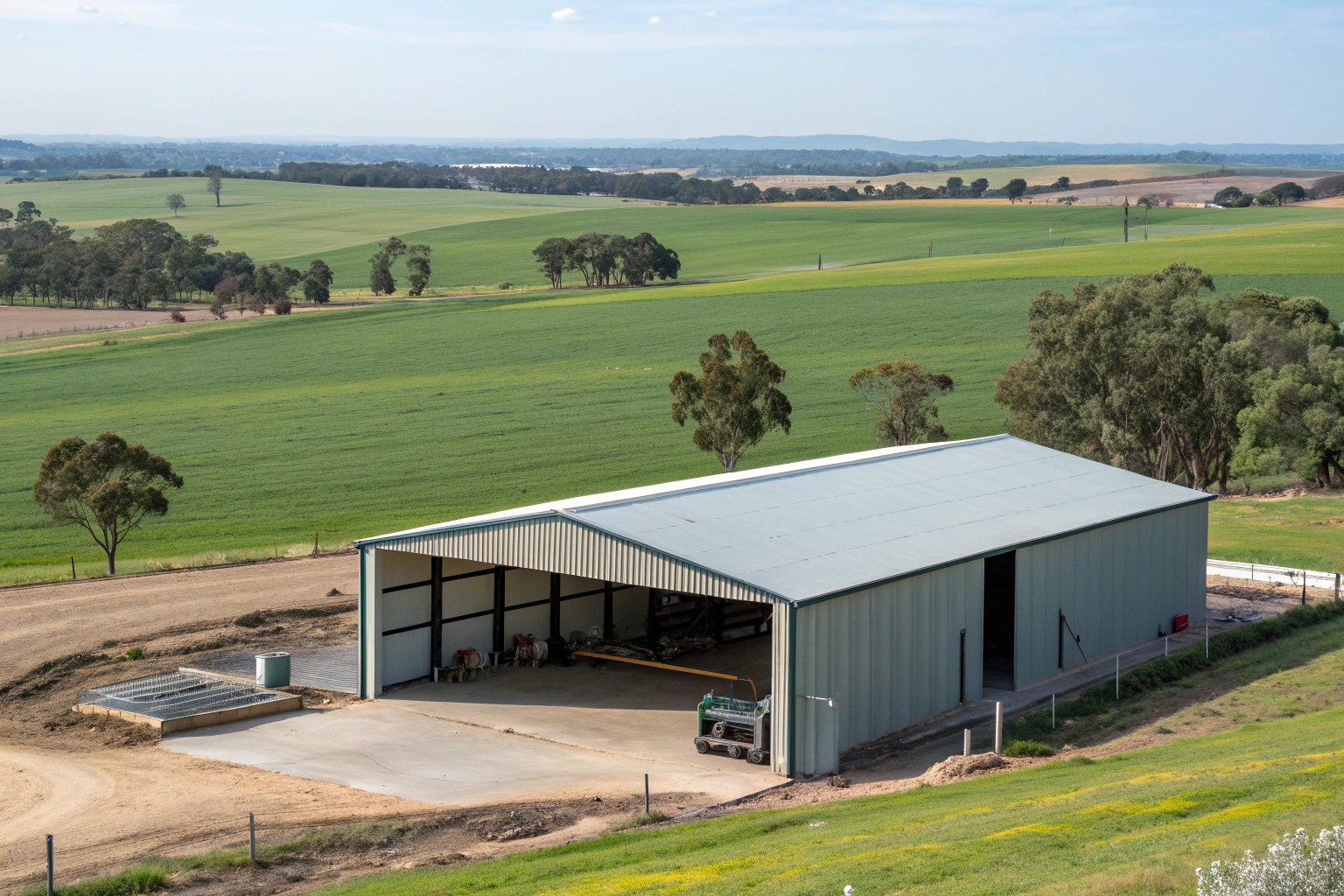
A solid foundation is essential for any farm building, and machinery sheds represent one of the most
important infrastructure investments on rural properties.
Site Preparation Standards
Proper site preparation begins with soil testing and compaction. Dundathu's clay-based soils require
careful moisture management during construction. We excavate to stable soil levels, install compacted
roadbase (typically 100-150mm), and ensure proper compaction before concrete placement. This foundation
prevents differential settlement that causes shed structural issues.
Reinforcement Requirements
Machinery shed slabs require comprehensive reinforcement. We typically use SL72 or heavier steel mesh, with
additional bar reinforcement around doorways and along slab edges. For sheds housing particularly heavy
equipment, engineered reinforcement designs may include thickened edges (drop-down beams) to provide
additional support where loads concentrate.
Connection Details
Your shed slab must properly connect to the building frame. This includes correctly positioned anchor
bolts or chemical anchors, ensuring level surfaces for frame installation, and coordinating with your shed
supplier regarding specific requirements. These details prevent future structural problems and simplify
the building erection process.
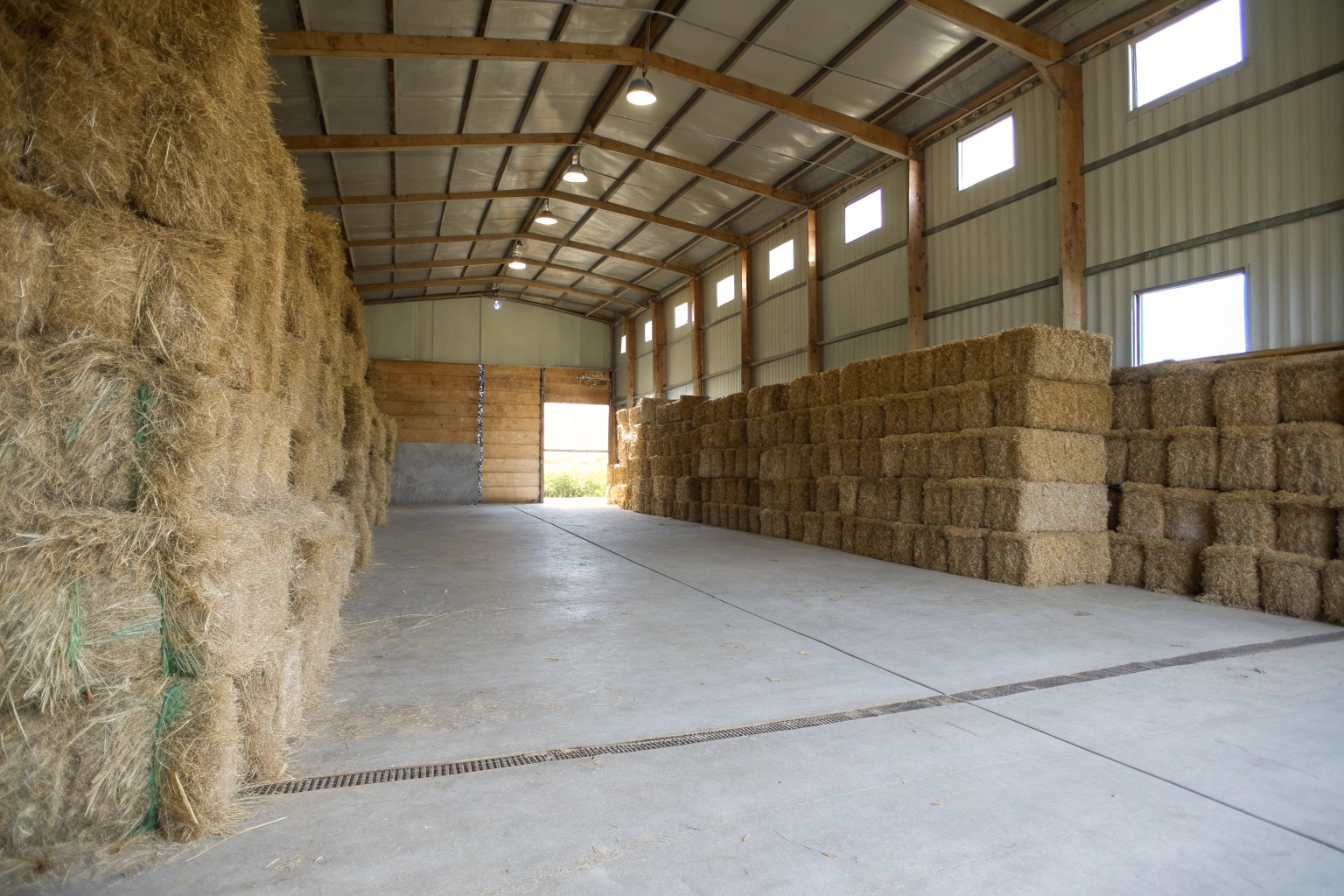
Hay sheds require specialised concrete design to accommodate forklift traffic, moisture management, and the
specific challenges of agricultural storage.
Forklift Traffic Considerations
Forklifts create point loads and turning stresses that standard slabs may not withstand. Hay shed slabs
typically need 150-175mm thickness with appropriate reinforcement. Surface finishing must provide adequate
traction for loaded forklifts while remaining smooth enough for easy sweeping and cleaning.
Moisture Protection
Hay storage demands excellent moisture barriers. We install heavy-duty vapour barriers beneath the slab to
prevent ground moisture from rising into stored hay. Proper drainage around the slab perimeter prevents
water infiltration that can damage both the concrete and your valuable feed stocks.
Long-Term Durability
Quality concrete mix design and proper curing create slabs that resist wear from constant forklift traffic.
We recommend sealed surfaces in hay sheds to reduce dust, improve cleanability, and extend slab life. This
small additional investment pays dividends in reduced maintenance and improved storage conditions.
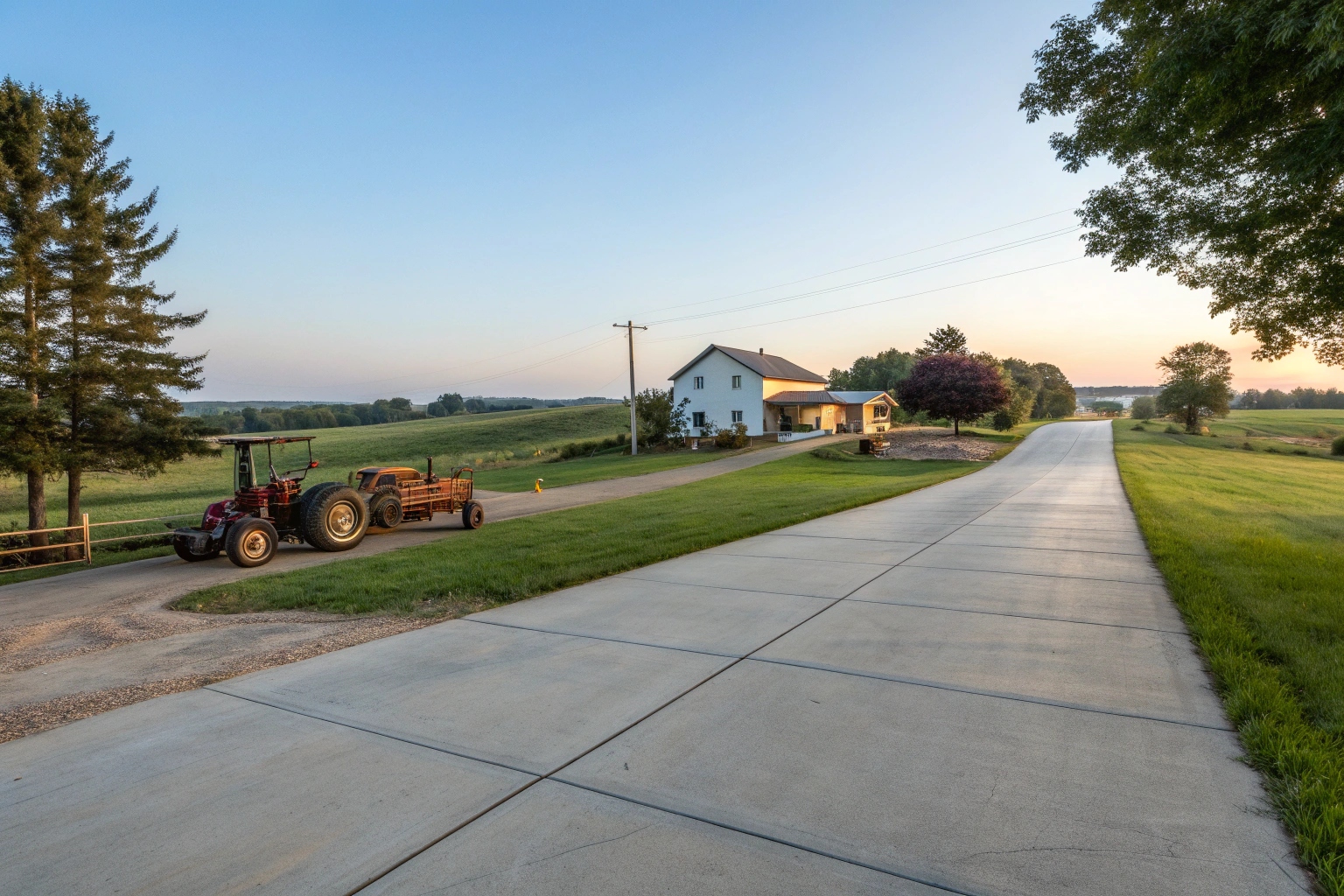
Farm driveways serve as critical infrastructure, providing year-round access for heavy vehicles, grain
trucks, and machinery transport.
Width and Turning Requirements
Rural driveways must accommodate wide farm equipment and large trucks. Standard farm driveways range from
4-6 meters wide, with wider sections at gates and turning areas. Planning appropriate widths prevents
expensive edge damage and allows safe machinery movement.
Heavy Vehicle Specifications
When grain trucks, cattle trucks, or machinery transporters regularly use your driveway, standard concrete
specifications won't suffice. Heavy vehicle driveways require 150-200mm thickness, 32MPa+ concrete
strength, and proper reinforcement. We design these driveways with appropriate cross-fall for drainage and
adequate width for vehicle tracking.
Staged Construction Options
Long rural driveways represent significant investments. Many Dundathu property owners opt for staged
construction, starting with the most critical sections nearest buildings or public roads. This approach
spreads costs while immediately improving property access and reducing maintenance on partially completed
sections.
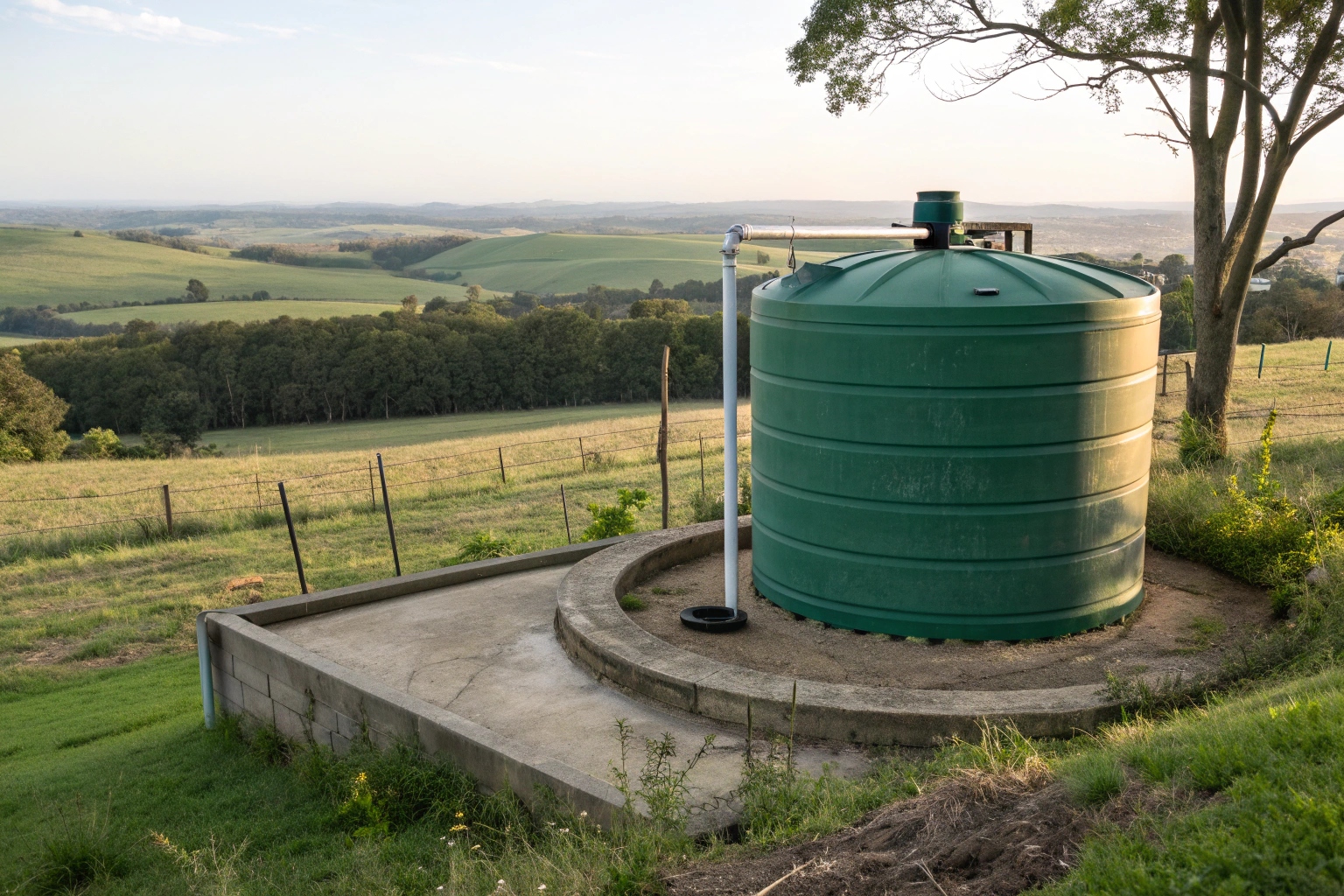
Proper foundations for water tanks and farm equipment prevent costly failures and ensure reliable long-term
performance.
Tank Pad Engineering
Water tanks are surprisingly heavy when full—a 25,000-liter tank weighs over 25 tonnes. Tank pads must be
perfectly level, properly compacted, and designed for the specific load. We typically construct 100-150mm
thick reinforced pads extending 300mm beyond the tank perimeter, with proper drainage to prevent water
pooling around the base.
Pump and Equipment Pads
Irrigation pumps, generators, and other equipment require vibration-resistant, level foundations. These
smaller pads still demand proper construction—adequate thickness, reinforcement, and isolation from
surrounding soil movement. Properly constructed equipment pads reduce maintenance requirements and extend
equipment life.
Future-Proofing Considerations
When constructing tank or equipment pads, consider future needs. Installing conduit for electrical or
plumbing connections during concrete placement costs little but saves significantly later. Similarly,
slightly oversizing pads accommodates equipment upgrades without requiring complete reconstruction.
Understanding local soil, weather, and access conditions is crucial for successful rural concrete projects in the Dundathu area.
Soil Characteristics
Dundathu properties typically feature clay-based soils that expand and contract with moisture changes.
This characteristic demands proper site preparation, adequate slab thickness, and sometimes specialised
measures like deeper excavation or additional reinforcement in reactive soil areas. We conduct site
assessments to identify potential soil challenges before concrete placement.
Weather and Timing
The Fraser Coast's wet season affects concrete curing and construction scheduling. We plan rural concrete
projects around weather patterns, avoiding periods of excessive rain or extreme heat. Proper timing
ensures optimal curing conditions and prevents weather-related problems that compromise slab quality.
Access and Logistics
Rural properties present unique logistics challenges. Concrete trucks require adequate access, turning
space, and firm ground. We assess access routes during quoting, identifying any limitations and planning
concrete delivery accordingly. For properties with difficult access, we may recommend concrete pumping to
reach remote locations efficiently.
Ready to improve your Dundathu property's infrastructure with professional concrete solutions? TrueForm
Concreting Maryborough brings decades of experience serving Fraser Coast farming communities. We understand
the unique demands of agricultural concrete work and deliver solutions built to withstand decades of heavy
use.
Our licensed, insured team provides transparent quotes, realistic timelines, and quality results backed by
our workmanship guarantee. We'll visit your property, assess site conditions, discuss your specific
requirements, and provide detailed recommendations tailored to your needs and budget.
Don't risk your investment with inexperienced contractors who don't understand rural concrete requirements.
Contact TrueForm Concreting Maryborough today for a free consultation and quote. Call us or visit our
website to discuss your machinery shed, driveway, or farm infrastructure project. Let's build concrete
solutions that support your agricultural operations for decades to come.
Most machinery sheds require 150-175mm thick slabs with steel reinforcement. Sheds housing particularly heavy equipment may need 200mm thickness. The specific requirement depends on your equipment weights and shed size—we provide engineered recommendations based on your actual needs.
While possible, we generally recommend avoiding wet season construction when practical. Excessive moisture affects concrete curing and quality. If timing demands wet season work, we implement additional measures including covered curing and modified concrete mixes to ensure quality results.
Farm driveways handling heavy vehicles should use minimum 32MPa concrete, with 40MPa preferred for regular heavy truck traffic. Higher strength concrete resists cracking under load and provides longer service life, making it cost-effective for agricultural applications.
Light vehicles can typically use concrete after 7 days, but heavy farm machinery should wait 21-28 days for full curing. Rushing this process risks surface damage and internal cracking that reduces long-term durability. We provide specific timing recommendations based on your concrete specifications and weather conditions.
Yes, our service includes complete site preparation: excavation, roadbase installation, compaction, and drainage provisions. This comprehensive approach ensures proper foundations for your concrete slab and eliminates coordination issues between multiple contractors.
Current weather: Dundathu Weather